Hello!
Desculpem voltar a pedir o mesmo, mas precisava que pelo menos todos o membros do blog e o máximo de pais / família dos meus alunos respondessem à pergunta que se encontra no fundo da página.(melhor ainda se todos os visitantes responderem) É rápido e podem escolher mais de uma resposta. É mesmo muito importante ter o vosso feedback e até agora só 4 pessoas responderam.
See you soon!
domingo, 13 de maio de 2012


sábado, 12 de maio de 2012
Can I cross the river mr crocodile? game - 1ºB
Hello!
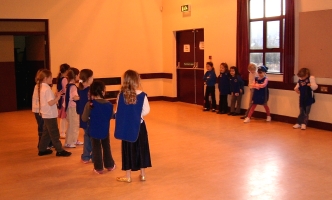
Last lesson as a lot of students missed the lesson due to provas de aferição, I decided to revise the theme animals. So we played a game called "Can I cross the river Mr crocodile? , in which students imagine that they were on one side of a river and the teacher was a crocodile.They had a card with a picture of one animal and in order to cross the river they had to ask "Can I cross the river Mr crocodile?" and the "Crocodile" had to say "Only the _______(name of one animal, for example cat).The students with the picture of a cat should try to pass the crocodile without being caught.
After that the students watched an episode of "Tom and Jerry" and revised some vocabulary related to animals and parts of the body.
Finally students draw Tom the cat in a paper and created an origami hat with that paper.
(esta imagem foi retirada do site rainbow resources)
Last lesson as a lot of students missed the lesson due to provas de aferição, I decided to revise the theme animals. So we played a game called "Can I cross the river Mr crocodile? , in which students imagine that they were on one side of a river and the teacher was a crocodile.They had a card with a picture of one animal and in order to cross the river they had to ask "Can I cross the river Mr crocodile?" and the "Crocodile" had to say "Only the _______(name of one animal, for example cat).The students with the picture of a cat should try to pass the crocodile without being caught.
After that the students watched an episode of "Tom and Jerry" and revised some vocabulary related to animals and parts of the body.
Finally students draw Tom the cat in a paper and created an origami hat with that paper.
Na aula passada, como muitos alunos faltaram, devido a provas de aferição, decidi rever o tema “animais”. Assim nós jogamos um jogo chamado "Can I cross the river Mr crocodile?”, em que os alunos imaginaram que estavam num lado de um rio e a professora era um crocodilo. Eles tinham um cartão com uma foto de um animal e de modo a atravessar o Rio, tinham que perguntar "Can I cross the river Mr crocodile?" e o "Crocodilo" tinha de dizer "Only the ______ (nome de um animal, gato por exemplo).Os alunos com a imagem de um gato deviam tentar passar pelo crocodilo sem ser apanhados.
Depois os alunos assistiram um episódio de "Tom e Jerry" e foi feita uma revisão de algum vocabulário relacionado aos animais e partes do corpo. Finalmente os alunos desenharam Tom, o gato num papel e criaram um chapéu de origami com esse papel.
(esta imagem foi retirada do site rainbow resources)
quinta-feira, 10 de maio de 2012
School - have you got a______? 3ºC
Hello!
Last lesson one of the exercises was to draw some school materials and in pairs ask "Have you got a _____?" in order to find which materials their classmate had in his/her worksheet. Students also practised the question "Could you lend me a ______?" with the same worksheet.
Na aula passada um dos exercícios foi desenhar materiais escolares e em pares perguntar "Have you got a ____?" de forma a descobrir quais os materiais que o colega tinha na sua ficha/folha. Os alunos também praticaram a questão "Could you lend me a _______?" com a mesma ficha.


Last lesson one of the exercises was to draw some school materials and in pairs ask "Have you got a _____?" in order to find which materials their classmate had in his/her worksheet. Students also practised the question "Could you lend me a ______?" with the same worksheet.
Na aula passada um dos exercícios foi desenhar materiais escolares e em pares perguntar "Have you got a ____?" de forma a descobrir quais os materiais que o colega tinha na sua ficha/folha. Os alunos também praticaram a questão "Could you lend me a _______?" com a mesma ficha.


quarta-feira, 9 de maio de 2012
questionário sobre impacto do blog
Hello!
Queria pedir um favor aos membros do blog e aos visitantes em geral, preencham o questionário que se encontra no fundo da página.É muito importante para mim avaliar o impacto do blog nos alunos, família e nos visitantes em geral, assim como compreender se realmente esta iniciativa foi tão positiva para vocês como para mim.
Desde já obrigada.Thank you!
Teacher Anabela
ps: podem escolher mais de uma resposta.
Queria pedir um favor aos membros do blog e aos visitantes em geral, preencham o questionário que se encontra no fundo da página.É muito importante para mim avaliar o impacto do blog nos alunos, família e nos visitantes em geral, assim como compreender se realmente esta iniciativa foi tão positiva para vocês como para mim.
Desde já obrigada.Thank you!
Teacher Anabela
ps: podem escolher mais de uma resposta.
domingo, 6 de maio de 2012
"Mommy I love you" song 1ºB and C
Hello!
Here's the original song from which I decided to teach a little part to my two 1st year classes. I think it's lovely and I hope the mother's enjoyed listening to their kids singing it.
Aqui está a canção original da qual eu retirei uma pequena parte para ensinar às turmas do 1º ano. Eu considero a canção maravilhosa e espero que as mães tenham gostado de ouvir os filhos a cantá-la. :)
"Mommy, mommy I love you mommy
No chores for you today
Bear hugs and kisses to show how I feel
I love you mommy dear!"
Here's the original song from which I decided to teach a little part to my two 1st year classes. I think it's lovely and I hope the mother's enjoyed listening to their kids singing it.
Aqui está a canção original da qual eu retirei uma pequena parte para ensinar às turmas do 1º ano. Eu considero a canção maravilhosa e espero que as mães tenham gostado de ouvir os filhos a cantá-la. :)
"Mommy, mommy I love you mommy
No chores for you today
Bear hugs and kisses to show how I feel
I love you mommy dear!"
Mother's day recipe book- 3º ano
Hello!
I hope the mother's from the two 3rd year classes enjoyed their present, the recipe book. 3ºC didn't had time to copy the recipes in the two languages, but I promise that they will copy the recipes in portuguese too next week :)
Here is some photos of two of the recipe books:)


I hope the mother's from the two 3rd year classes enjoyed their present, the recipe book. 3ºC didn't had time to copy the recipes in the two languages, but I promise that they will copy the recipes in portuguese too next week :)
Here is some photos of two of the recipe books:)


quarta-feira, 2 de maio de 2012
Traditions: 1st of May - May day
The first day of the month of May is known as May Day. It is the time of year when warmer weather begins and flowers and trees start to blossom. It is said to be a time of love and romance. It is when people celebrate the coming of summer with lots of different customs that are expressions of joy and hope after a long winter.
Traditional English May Day celebrations include Morris dancing, crowning a May Queen and dancing around a Maypole.
O 1º dia do mês é conhecido como May Day . É a altura do ano em que o tempo mais quente começa e as flores e árvore começam a desabrochar. É dito que é o tempo do amor e romance. É quando as pessoas celebram a vinda do Verão com diferentes costumes que são expressão de alegria e esperança após o longo Inverno.
O May Day tradicional inglês inclui celebrações como (1.)Morris Dancing, (2.)coroar a rainha de Maio e (3.)dançar à volta do Maypole.


Ps: Em Portugal parece que o tempo de Verão ainda está bem longe, por isso alegremos a vista com estas tradições interessantes e que nos fazem lembrar de alturas do ano mais solarengas :)
sexta-feira, 27 de abril de 2012
"Who let the pets out?" song - 1º C
Hello!
As 1st graders are learning about pets, this week song is an adaption of the well known song "Who let the dogs out?" by Baha men.
The lyrics of the song I taught 1ºC yesterday and I will taught 1ºB next week is the following:
Como os alunos do 1º ano estão a aprender os animais de estimação, a canção desta semana é uma adaptação que eu fiz á conhecida canção dos Baha Men "Who let the dogs out"
A letra da minha adaptação, que só ensinei, por enquanto ao 1ºC, é a seguinte:
Who let the pets out?
Who let the dog out?
woof, woof, woof
Who let the dogs out?
woof, woof, woof

Who let the cats out?
Meow, meow, meow
Who let the cats out?
Meow, meow, meow

Who let the birds out?
Chirp, chirp, chirp
Who let the birds out?
Chirp, chirp, chirp

Who let the hamsters out?
hiii, hiii, hiii
Who let the hamsters out?
hiii, hiii, hiii

Who let the fish out?
Pop, pop, pop
Who let the fish out?
Pop, pop, pop "

ps: Esta canção era para ter sido ensinada também ao 1ºB esta semana,mas devido à demora com outros trabalhos, os quais não podemos contar às mamãs;) tivemos de adiar. Para a semana também o 1ºB irá aprender "Who let the pets out?"
As 1st graders are learning about pets, this week song is an adaption of the well known song "Who let the dogs out?" by Baha men.
The lyrics of the song I taught 1ºC yesterday and I will taught 1ºB next week is the following:
Como os alunos do 1º ano estão a aprender os animais de estimação, a canção desta semana é uma adaptação que eu fiz á conhecida canção dos Baha Men "Who let the dogs out"
A letra da minha adaptação, que só ensinei, por enquanto ao 1ºC, é a seguinte:
Who let the pets out?
Who let the dog out?
woof, woof, woof
Who let the dogs out?
woof, woof, woof

Who let the cats out?
Meow, meow, meow
Who let the cats out?
Meow, meow, meow

Who let the birds out?
Chirp, chirp, chirp
Who let the birds out?
Chirp, chirp, chirp

Who let the hamsters out?
hiii, hiii, hiii
Who let the hamsters out?
hiii, hiii, hiii

Who let the fish out?
Pop, pop, pop
Who let the fish out?
Pop, pop, pop "

ps: Esta canção era para ter sido ensinada também ao 1ºB esta semana,mas devido à demora com outros trabalhos, os quais não podemos contar às mamãs;) tivemos de adiar. Para a semana também o 1ºB irá aprender "Who let the pets out?"
quarta-feira, 25 de abril de 2012
story "Taking care of mom" - 3ºC
Hello!


 “Puppy spill the jar”


Last lesson 3ºC listened to a delightful story called "Take care of mom" by Gina and Mercer Mayer
Before listening to the story I wrote some important words from the story: mom, dad, grandma, sick, eat breakfast, chips, get dressed, sister, spill the jar, bed, sandwich, puppy, box of tissues, toys, clean up take care. After discussing the meaning of the words and expressions, through gestures, descriptions and drawings, students tried to guess what was going to happened in the story. Some ideas were:

 “Puppy spill the jar”
“Grandma is fun”
“Mom clean up”

“Dad eats breakfast”

“Puppy eat sandwich”
Etc… Apart from the grammar mistakes (not to worry) it was interesting to listen to their guesses and imagination ;)
When they listened to the story for the first time, they had to check if their first guess was right or not, a simple task because I think a story is something to first of all to enjoy. The second time they’ve listened to the story, they had to order the words previously given. While correcting this task I asked them some questions about the story, for example: “Who spilled the jar?”, “Who made the sandwich?”, “What were the tissues for?”
Na aula passada o 3ºC ouviu uma história maravilhosa chamada "Taking care of mom" de Gina e Mercer Mayer . Antes de ouvir a história eu escrevi algumas palavras importantes da mesma no quadro: mom, dad, grandma, sick, eat breakfast, chips, get dressed, sister, spill the jar, bed, sandwich, puppy, box of tissues, toys, clean up take care. Depois de discutir o significado das palavras e expressões, através de gestos, de descrições e desenhos, os alunos tentaram adivinhar o que estava iria acontecer na história. Algumas ideias foram: “Puppy spill the jar”
“Grandma is fun”
“Mom clean up”
“Dad eats breakfast”
“Puppy eat sandwich”
etc... Tirando os erros de gramática (não muito preocupantes nesta fase) foi interessante ouvir as suas suposições e imaginação;) Quando eles ouviram a história pela primeira vez ,tinham que verificar se sua primeira suposição estava certa ou não, uma tarefa simples porque eu acho que uma história é algo que antes de mais deve ser para apreciar/desfrutar. A segunda vez que ouviram a história, tinham que ordenar as palavras anteriormente dadas. Enquanto corrigia a tarefa , fui fazendo algumas questões sobre o conto, por exemplo: “Who spilled the jar?”, “Who made the sandwich?”, “What were the tissues for?”
I love this story and I think students loved it too
terça-feira, 24 de abril de 2012
"We are the champions" song and Farm animals in 4ºC
Hello!
Last lesson we started celebrating the victory in the contest "Pequenos Liladores descobrem as AEC". As Ana Beatriz, Mariana and Pedro won 1st place in that competition we sang the chorus of the song "We are the champions" by Queen
I emphasized the idea that winners are those that work hard, do their best and never give up, because we won the competition due to this values and attitudes , it was the students hard work and dedication that lead them to victory.
Começamos a aula passada celebrando a vitória no concurso"Pequenos Liladores descobrem as AEC". Como a Ana ,a Mariana e o Pedro ganharam o 1º lugar na competição, nós cantamos o refrão da canção "We are the champions" dos Queen
Enfatizei o facto de que vencedores são aqueles que trabalham com afinco, dão o seu melhor e nunca desistem, pois a competição foi ganha devido a estes valores e atitudes; foi o trabalho duro e a dedicação dos alunos que os levou à vitória.
Afterwards we continue the study of animals, in particular the farm animals. Through a miming game, students answered the question "How do animals move?" and then they filled in the following worksheet and a similar one in their notebooks, but this time about farm animals.


Last lesson we started celebrating the victory in the contest "Pequenos Liladores descobrem as AEC". As Ana Beatriz, Mariana and Pedro won 1st place in that competition we sang the chorus of the song "We are the champions" by Queen
I emphasized the idea that winners are those that work hard, do their best and never give up, because we won the competition due to this values and attitudes , it was the students hard work and dedication that lead them to victory.
Começamos a aula passada celebrando a vitória no concurso"Pequenos Liladores descobrem as AEC". Como a Ana ,a Mariana e o Pedro ganharam o 1º lugar na competição, nós cantamos o refrão da canção "We are the champions" dos Queen
Enfatizei o facto de que vencedores são aqueles que trabalham com afinco, dão o seu melhor e nunca desistem, pois a competição foi ganha devido a estes valores e atitudes; foi o trabalho duro e a dedicação dos alunos que os levou à vitória.
Afterwards we continue the study of animals, in particular the farm animals. Through a miming game, students answered the question "How do animals move?" and then they filled in the following worksheet and a similar one in their notebooks, but this time about farm animals.

Later on, students filled in a chart about animals body coverings

Subscrever:
Mensagens (Atom)